2026-11-14 ·
Storm Flooding in Florida: Protecting Your Home
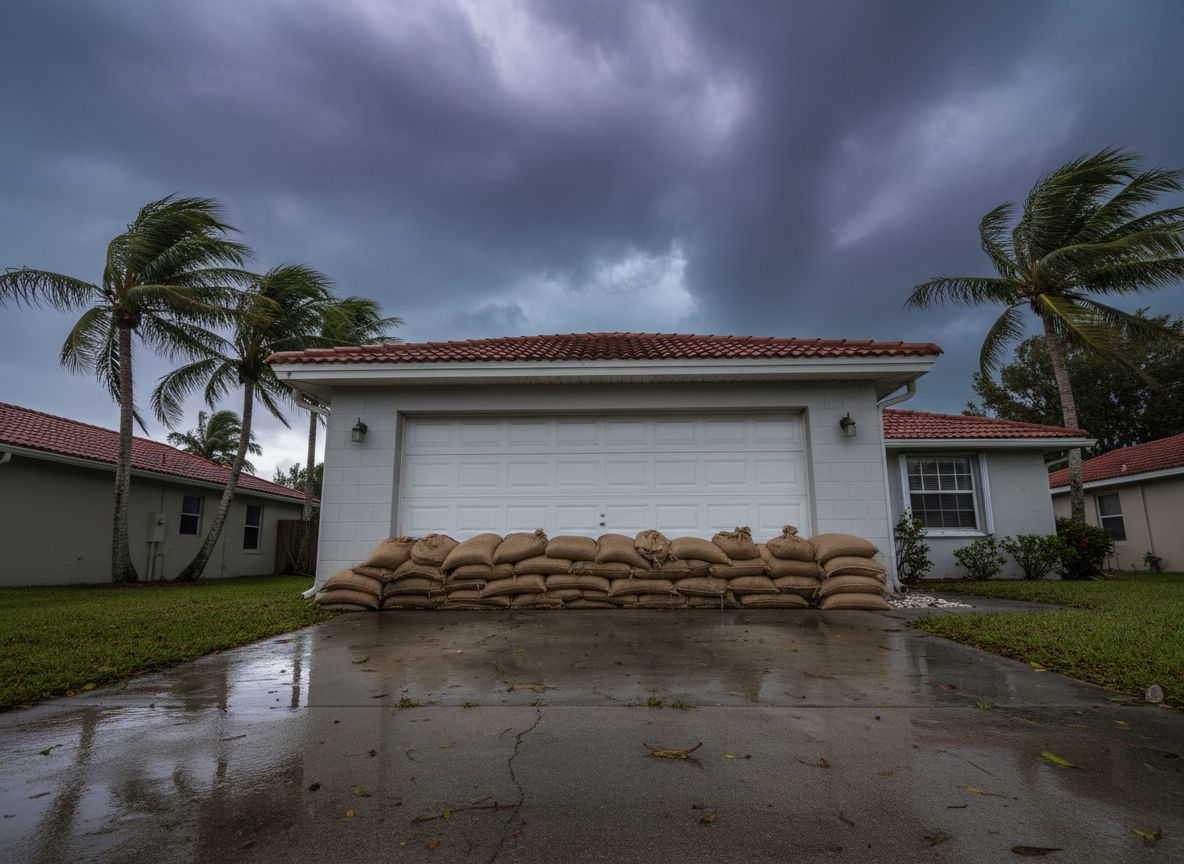
Protecting a Florida home from storm flooding starts long before a storm has a name. Find your flood zone, buy flood coverage at least 30 days ahead, raise what you can off the slab, and plan how to shut off power and water. The Atlantic hurricane season runs from June 1 to November 30, according to NOAA, so the planning window is the winter and spring.
Two kinds of storm flooding
Florida storms flood homes in two ways. Storm surge is ocean or Gulf water pushed ashore by wind. Hurricane Ian's surge in 2022 and Hurricanes Helene and Milton in 2024 flooded homes from Pasco County to Collier County on the Gulf coast. Surge rises fast, carries salt and silt, and can reach several feet inside a home on low ground. Rain flooding happens inland too. Slow storms can drop many inches of rain in a day, and flat land drains slowly through canals and swales. Towns near lakes and rivers, such as Lutz, Belle Glade and New Port Richey, can see standing water for days after a storm passes.
Check your flood zone and your policy
FEMA's Flood Map Service Center shows the flood zone for any address. Zones starting with A or V are high-risk areas. Being outside those zones does not mean a home cannot flood; it means the odds are lower. A standard homeowners policy does not pay for flood water, including storm surge. Flood coverage comes from a separate policy, such as one through the National Flood Insurance Program. New NFIP policies usually have a 30-day waiting period, so buying one when a storm is in the forecast is too late. Ask your agent whether your policy covers contents as well as the building, since many do not unless you add it.
Get the home ready before the season
A few jobs done early make a big difference:
- Move important papers, photos and electronics to high shelves or a second floor.
- Store items in the garage on shelves or in sealed plastic bins, not cardboard boxes on the slab.
- Know where your main water valve and electrical panel are, and make sure the panel is labeled.
- Check the AC condensate line and float switch, since heavy rain season is also peak AC season.
- Clear storm drains and swales near your driveway so rain has somewhere to go.
- Photograph every room for your records, including the inside of closets.
When a storm is coming
Once a storm is forecast, focus on what water will reach first.
- Fill sandbags or water-filled barriers for door sills and the garage door, if your county offers them.
- Raise furniture on blocks and roll up rugs in ground-floor rooms.
- Unplug electronics and move them up.
- If officials order an evacuation, leave. No home repair is worth staying for surge.
- If water starts rising inside and it is safe, switch off power at the main breaker before it reaches outlets.
After the water goes down
Wait until officials say it is safe to return. Then:
- Do not walk through water that could be touching live wiring.
- Photograph and video every room, the water line on the walls and damaged items before cleaning.
- Treat flood water as contaminated. It is Category 3 under the IICRC S500 standard and can carry sewage and bacteria.
- Throw out food, medicine and porous items it soaked, such as mattresses and upholstered furniture.
- Start drying right away. The EPA says mold can start on wet materials within 24 to 48 hours.
Drywall flood water touched is usually cut out a foot or more above the water line, along with wet insulation, carpet and pad.
What flood damage costs
HomeGuide's 2026 cost guide gives these ranges:
- Flood water extraction and drying: $9 to $12 per square foot.
- Rooms soaked to the ceiling: $5,000 to $15,000.
- Severe flooding through the home: $15,000 to $100,000.
- Mold remediation after a flood: $1,500 to $15,000.
In a flood zone, repairs that reach 50 percent of the home's market value trigger FEMA's substantial damage rule. The local permit office then decides whether the home has to meet current flood rules, which can mean raising it. Keep every estimate and photo.
Getting help
If flood water is in your home, call once the area is safe. Flood damage restoration covers the tear-out, disinfecting and drying, and flood cleanup handles mud, silt and soaked belongings. Calls are answered 24/7, and a written estimate comes before any work starts.